

Where to See Autumn Foliage in Shiga — A Local Guide to the Season's Best Spots
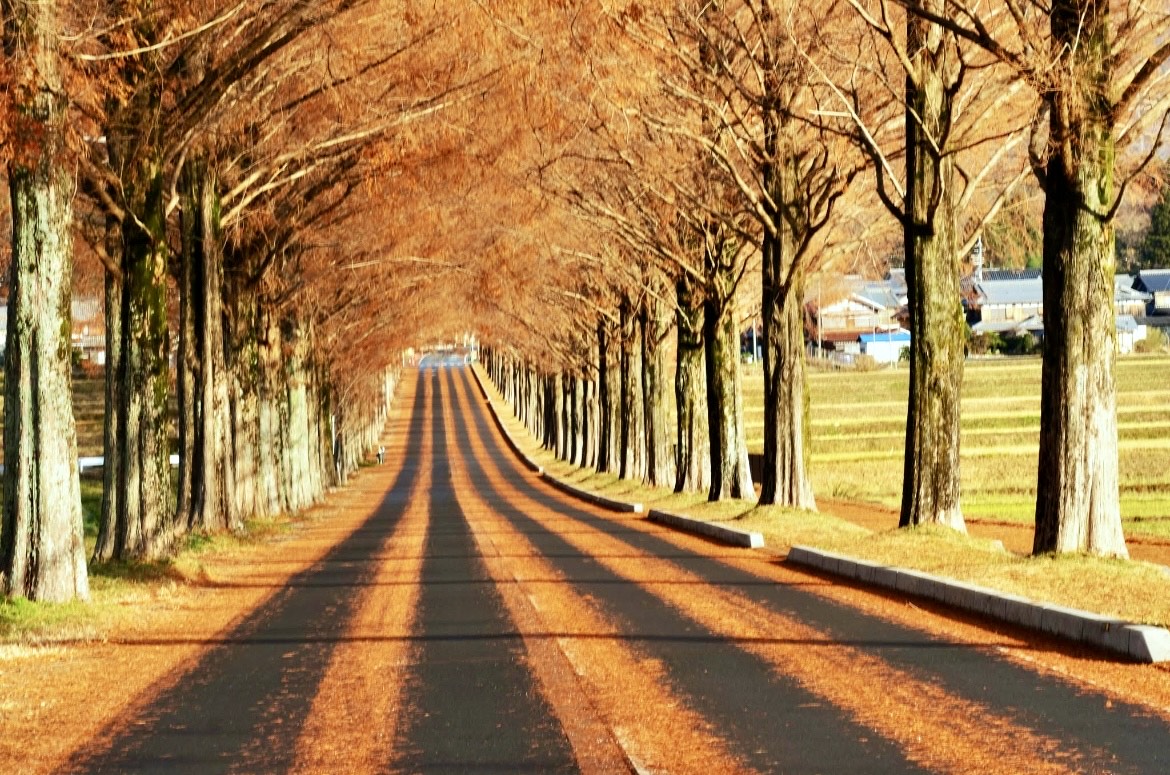
Autumn Foliage in Shiga — Why Locals Return Every Year
Shiga's autumn foliage season offers something distinct from the well-known leaf-viewing spots of Kyoto and Osaka. Set against Lake Biwa and the surrounding mountains, Shiga has foliage across several areas — each with a different character. The deep crimson of ancient mountain temples, the quiet riverside setting of a Zen monastery, a former temple carpeted in fallen leaves, a UNESCO World Heritage site approached without the usual crowds. What draws people back is not just the colours but the combination of place, season, and how the day is put together.
Shiga's autumn foliage season offers distinct experiences across Koto Sanzan, Eigenji Temple, Keisokuji, and Enryakuji's Shiga side — though peak timing varies each year, and the quality of the experience depends on which areas you visit, when you go, and what you combine with the foliage.
Shiga Autumn Foliage Spots: Characteristics and What Suits Each
Location | Character | Best Suited For |
|---|---|---|
Koto Sanzan (Kongorinji, Saimyoji, Hyakusaiji) | Three ancient mountain temples representing Shiga's most celebrated foliage. Kongorinji is known for intensely deep red leaves. Temple architecture and autumn colour combined in a landscape that defines autumn in Shiga. | Those seeking the definitive Shiga foliage experience; temple and autumn scenery in combination |
Eigenji Temple (Higashiomi City) | A Zen temple set along a mountain stream, surrounded by foliage. Quieter atmosphere possible at certain times. Public transit access is awkward — private vehicle makes it practical. | Quiet foliage viewing; mountain stream and temple; those with private transport arranged |
Keisokuji (Kinomoto, Nagahama City) | A former temple whose grounds are known for a carpet of fallen leaves. The post-peak autumn setting has its own appeal. | Full arc of autumn including fallen leaves; combining with Nagahama town |
Enryakuji — Shiga approach (Otsu City) | The Shiga side of Mount Hiei can offer a quieter approach to the UNESCO site compared to Kyoto at certain times. | Quieter UNESCO heritage experience; cultural depth alongside foliage |
Peak foliage in Shiga is generally mid-November through December, but varies from year to year. Eigenji and Koto Sanzan in particular benefit from private vehicle transport. Multi-area foliage days without private transport add significant complexity to plan.
Beyond Foliage — The Shiga Autumn Triple
The distinctive quality of an autumn day in Shiga is not just the foliage — it's what the season makes possible to combine. Foliage viewing, Omi beef, and matcha tasting can be structured into a single day in a way that turns a foliage trip into a full seasonal experience.
Omi Beef — After a Day of Autumn Walking
Omi beef is one of Japan's three great wagyu varieties, produced in Shiga. Eating it after a day of foliage viewing — at source in the region that produces it — is qualitatively different from the same beef at a city restaurant. The combination of walking through temple grounds and a measured seasonal dinner has a coherence that a foliage-only day lacks.
Matcha Tasting — Among the Autumn Gardens
Shiga's tea-growing areas include Tsuchiyama and neighbouring regions. A matcha session from local or nearby tea leaves, in a setting where the garden is in autumn colour, adds a sensory dimension that changes the character of the day. The difference between seeing foliage and spending time among it is significant.
Combining all three elements into a single itinerary requires integrated planning — travel time, duration at each experience, and meal timing all need to fit together. Building it as a whole from the start produces a better result than assembling it loosely on the day.
What HYART Private Foliage Coordination Includes
Peak foliage shifts by weeks from year to year. A local coordinator tracking conditions can adjust the itinerary the week before — choosing the best area given current progression, or rerouting on the day if conditions change. HYART coordinates private Shiga foliage itineraries each autumn, with private vehicle transport that makes mountain spots like Eigenji and Koto Sanzan practical to reach. A multilingual coordinator provides cultural and historical context at each temple throughout the day. For those comparing seasonal options, see Where to See Cherry Blossoms in Shiga.
HYART does not accommodate large general tour groups and is not suited for travelers focused on minimising costs. Whether a private guide fits a foliage trip depends on how much timing, cultural depth, and day design matter to you.
Closing — Autumn in Shiga Is Shaped by What You Combine With It
Koto Sanzan deep crimson temples, Eigenji mountain stream, Keisokuji fallen-leaf carpet, Enryakuji quiet approach — each offers something different. Which suits your trip depends on what you're looking for and when you're visiting. A list of spots is the starting point, not the itinerary. The questions worth bringing to an inquiry are: which dates are you visiting, what kind of autumn experience do you want, and are you interested in combining foliage with Omi beef and matcha?
To discuss a tailor-made Shiga autumn itinerary, speak with our coordinators.